 Skip to content



When purchasing an outdoor LED Screen, brightness is often one of the first specifications buyers compare.
5,000 nits? 6,000 nits? 7,500 nits?
It is easy to assume that the screen with the highest brightness must be the best choice. After all, outdoor LED displays need to compete with sunlight, so why not choose the brightest option available?
As an LED Screen manufacturer, we see this question frequently. And our answer is simple:
The highest brightness is not necessarily the right brightness.
A professional outdoor LED screen should be designed around its actual installation environment. Sun exposure, screen orientation, viewing distance, operating hours, ambient light, and local climate all influence the brightness a display really needs.
In other words, brightness should be engineered for the application—not selected simply by comparing numbers on a specification sheet.

What Does “Nits” Mean for an LED Screen?
Nits, or cd/m² (candela per square meter), is a measurement of luminance. In simple terms, it tells you how much light a display can produce.
For outdoor LED screens, brightness is particularly important because ambient sunlight can make screen content difficult to see.
Imagine looking at a screen outdoors at noon. Even if the screen produces a bright and colorful image, strong sunlight falling on the display can reduce perceived contrast and make content appear less visible.
That is why outdoor displays generally require considerably higher brightness than indoor displays.
However, there is an important distinction:
Maximum brightness tells you what the display can achieve. It does not tell you what the display should use all the time.
A professionally designed LED screen should be capable of delivering sufficient brightness when sunlight is strongest while also being able to reduce brightness when environmental conditions change.
When Does an LED Screen Need 7,500 Nits?
A brightness level around 7,500 nits can be appropriate for demanding outdoor applications.
Direct Sunlight
If an LED screen is exposed to strong, direct sunlight for much of the day, higher brightness can help maintain visibility.
For example, a large roadside advertising screen facing the sun may require substantially more brightness than a display installed under a canopy.
Large Outdoor Advertising Displays
Large-format advertising screens are often installed in open areas with significant ambient light.
For these applications, high brightness can help ensure advertisements, videos, and other content remain clearly visible during the daytime.
Long Viewing Distances
Viewing distance also matters.
A large LED billboard viewed from a long distance has different requirements from a digital sign intended for pedestrians standing only a few meters away.
When we design an LED Screen solution, we therefore consider brightness together with screen size and pixel pitch rather than treating brightness as an isolated specification.
Strong Ambient Light
Commercial streets, transportation hubs, stadiums, public squares, and other highly illuminated locations can create challenging viewing conditions.
In these environments, higher brightness may provide the additional performance required for consistent daytime visibility.
Applications That Depend on Daytime Visibility
Some displays need to deliver strong visual performance throughout the day.
Outdoor advertising, transportation information, sports venues, public information screens, and similar applications may benefit from higher brightness capability.

When Can 5,000 or 6,000 Nits Be the Better Choice?
Not every outdoor LED screen needs 7,500 nits.
In many projects, a lower brightness level can provide excellent visibility while offering advantages in power consumption and operating efficiency.
Covered Outdoor Installations
If a screen is installed under a roof, canopy, or other structure, direct sunlight may be significantly reduced.
In this situation, extremely high brightness may provide little additional practical value.
Shaded Locations
Buildings, trees, architectural structures, and surrounding objects can all affect sunlight exposure.
A screen installed in a naturally shaded environment may have substantially different brightness requirements from an open-air billboard.
Evening-Focused Applications
If an LED Screen operates mainly in the evening or at night, maximum daytime brightness is less important.
Instead, what matters is whether the display can reduce brightness smoothly while maintaining good image quality.
Short Viewing Distances
A screen designed for close-range viewing does not necessarily need the same brightness as a large billboard intended to be viewed from hundreds of meters away.
Energy-Conscious Projects
Brightness and power consumption are also connected.
For a large LED Screen operating many hours per day, unnecessary brightness can increase energy consumption and operating costs.
This is why we recommend evaluating brightness as part of the total operating requirements of the project, rather than simply choosing the highest available specification.
Why Isn’t Maximum Brightness Always Better?
As an LED Screen manufacturer, we understand why buyers are attracted to higher brightness numbers.
A higher specification is easy to compare and easy to market.
But in real-world applications, maximum brightness comes with trade-offs.
Higher Power Consumption
Operating an LED Screen at very high brightness can increase power consumption.
For large screens, even a relatively small difference in power requirements can become significant over thousands of operating hours.
More Heat
Higher electrical power can also result in greater heat generation.
Effective thermal management is therefore an important part of outdoor LED Screen design, particularly for large installations and hot climates.
Higher Operating Costs
Energy consumption contributes to the long-term operating cost of an LED Screen.
Choosing a brightness level that is higher than necessary may increase operating expenses without providing a corresponding improvement in the viewing experience.
Excessive Brightness at Night
A screen that needs high brightness under midday sunlight does not need to operate at the same level after sunset.
Excessive nighttime brightness can be uncomfortable for viewers and may be inappropriate for certain locations.
Brightness Is Only One Part of Image Quality
A high nit rating alone does not guarantee a better-looking LED Screen.
Image quality also depends on factors such as LED performance, contrast, grayscale, refresh rate, calibration, pixel pitch, viewing distance, and image-processing technology.
A 7,500-nit specification should therefore never be considered a complete measure of LED Screen quality.
Automatic Brightness Control: A Key Feature for Outdoor LED Screens
This is where intelligent brightness control becomes especially important.
When customers purchase outdoor LED screens from us, especially in installation environments with direct sunlight, such as roadside LED billboards (LED advertising billboards), we recommend installing a smart brightness adjuster. A professional outdoor LED screen can use an ambient-light sensor or control system to adjust brightness according to surrounding conditions.
For example:
- Midday: Strong sunlight → higher brightness
- Late afternoon: Reduced sunlight → moderate brightness
- Evening: Low ambient light → lower brightness
- Night: Very low ambient light → significantly reduced brightness
This allows the display to deliver the brightness it needs when it needs it, rather than operating at maximum output continuously.
From our perspective as an LED Screen manufacturer, this is a much more meaningful approach than simply competing on maximum brightness.
The goal is to achieve the right balance between:
- Daytime visibility
- Nighttime viewing comfort
- Energy efficiency
- Heat management
- Image quality
- Long-term reliability
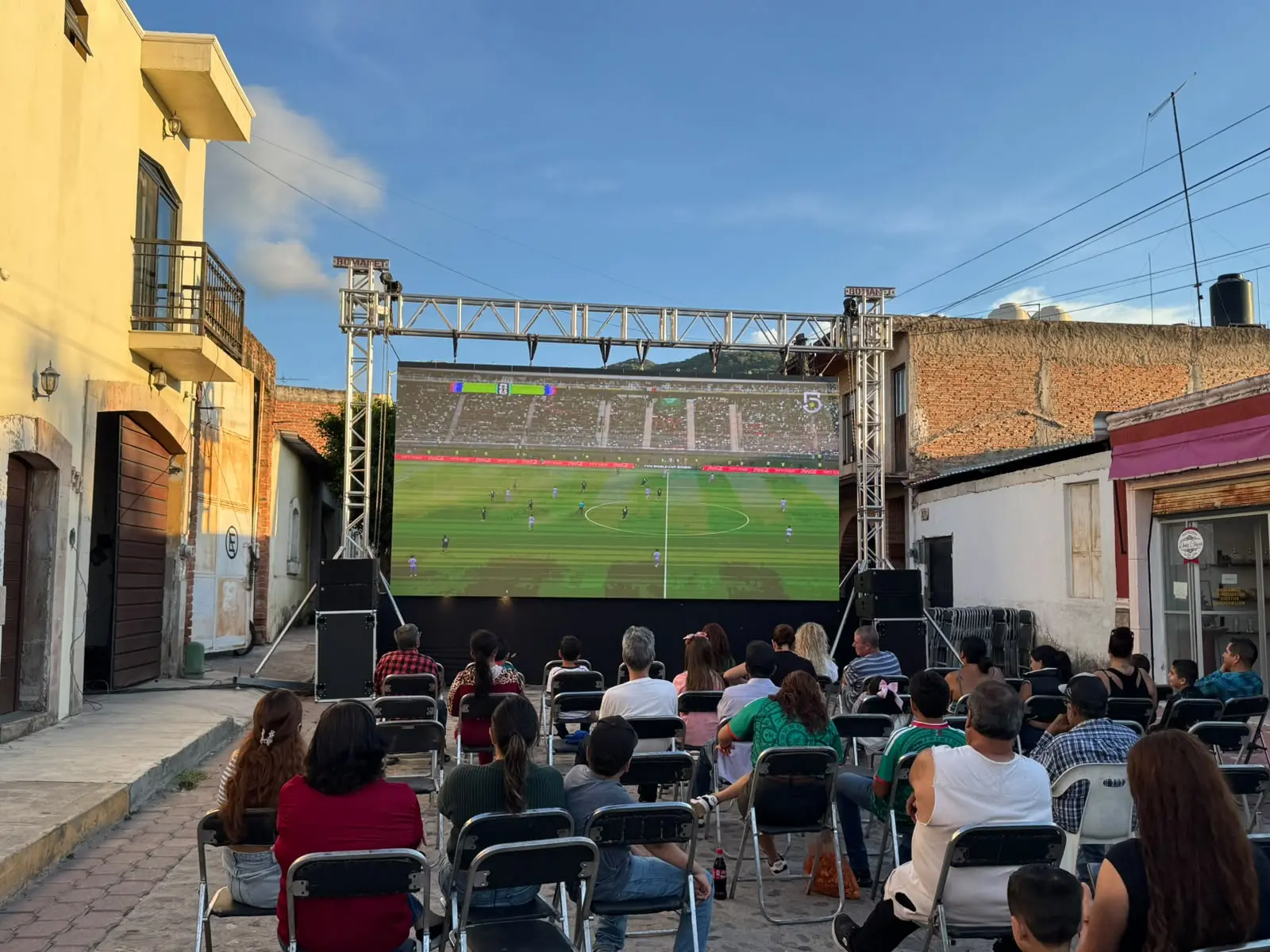
How We Determine the Right Brightness for an Outdoor LED Screen
When customers ask us, “Should I choose 5,000, 6,000, or 7,500 nits?”, we first look at the project itself.
- Sun Exposure
How much direct sunlight will reach the screen?
A screen exposed to strong midday sunlight will generally require more brightness than one protected by a building or canopy.
- Screen Orientation
Which direction will the display face?
The installation angle and orientation can significantly influence sunlight exposure and should be considered during the design stage.
- Viewing Distance
How far away will the primary audience be?
A roadside billboard, stadium perimeter display, and pedestrian information screen can have very different brightness requirements.
- Operating Hours
Will the screen operate 24/7, only during the day, or primarily at night?
This determines how important both high daytime brightness and low nighttime brightness are.
- Surrounding Environment
We also consider surrounding buildings, streetlights, reflective surfaces, other digital displays, and overall ambient illumination.
The screen needs to perform within its actual environment—not in a laboratory specification sheet.
- Local Climate
Temperature, sunlight intensity, humidity, and seasonal conditions can also influence the overall LED Screen design.
For projects in particularly hot or sunny regions, brightness should be considered together with thermal management, cabinet design, power systems, and system reliability.
7,500 Nits vs. 5,000 or 6,000 Nits: Which One Should You Choose?
There is no single answer.
A 7,500-nit LED Screen may be the right solution for a large outdoor billboard exposed to intense direct sunlight.
But a 5,000- or 6,000-nit display may be a better fit for a covered commercial installation, a partially shaded location, or a project that operates mainly in the evening.
The important question is not:
“Which screen has the highest brightness?”
Instead, ask:
“Which brightness level is appropriate for my installation?”
This is the approach we take when recommending LED Screen solutions to our customers.
Rather than simply offering the highest specification, we evaluate the application and select the configuration that provides the performance the project actually requires.
The Right LED Screen Is About More Than One Specification
When selecting an outdoor LED Screen, brightness is important—but it should never be evaluated alone.
A reliable solution should consider:
- Brightness
- Pixel pitch
- Viewing distance
- Contrast
- Refresh rate
- Color performance
- Power consumption
- Thermal management
- Cabinet design
- Weather protection
- Control system
- Installation environment
- Expected operating hours
These factors work together to determine how an LED Screen performs in the real world. This is why choosing an LED Screen manufacturer should not be based solely on who offers the highest brightness or the longest specification sheet.
A capable manufacturer should be able to understand your application and help you determine the right technical configuration.
Conclusion: Don’t Choose the Brightest. Choose the Right Brightness.
So, do outdoor LED screens really need 7,500 nits?
Only when the application requires it.
For screens exposed to strong direct sunlight and demanding daytime viewing conditions, 7,500 nits can provide valuable brightness headroom.
For shaded, covered, or evening-focused installations, a lower brightness level may provide an excellent balance of visibility, efficiency, and operating cost.
At SRYLED, we believe that outdoor LED screen design should begin with the application—not with a specification sheet.
The right brightness is not the highest brightness. It is the brightness engineered for your environment.
If you are planning an outdoor LED screen project and are unsure whether you need 5,000, 6,000, 7,500 nits, or another brightness level, our technical team can evaluate your installation conditions and recommend an appropriate display configuration.
Because the best LED screen is not the one with the biggest number. It is the one that performs exactly as your project requires.