 Skip to content


When you’re building a rental fleet of LED displays, one of decision you’ll face is which material to choose for your cabinets. The two main contenders are die-casting aluminum and iron. Both have their pros and cons, so it’s important to understand what each material brings to the table before making your choice. Let’s break it down and help you decide which one is best for your rental needs.

Weight: A Big Deal for Rentals
One of the first things you’ll notice about LED display cabinets is the weight. This is especially important for rental companies that are constantly moving displays from one location to another.
Die-Casting Aluminum: The big win here is that aluminum is light. This makes a huge difference when you’re transporting and installing the displays. Less weight means less manpower, easier handling, and more space in your truck. Plus, a lighter cabinet means faster setups and quicker turnarounds—something that’s super important in the rental business.
Iron: In contrast, iron cabinets are much heavier. Sure, they’re strong, but that added weight can make moving, setting up, and tearing down displays more time-consuming. It can also increase transportation costs since heavier equipment takes up more space and requires more effort to move.

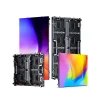
Die-Casting Aluminum Cabinets
Durability: Which Material Will Last Longer?
When you’re renting out LED displays, they need to hold up under frequent use. The durability of the cabinet material will affect how well your displays perform over time.
Die-Casting Aluminum: Aluminum is great because it’s corrosion-resistant. That means it handles moisture, humidity, and the elements much better than iron. Whether you’re using the displays indoors or outdoors, aluminum keeps them looking good for longer. Plus, it’s strong enough to survive the wear and tear that comes with being moved around and set up repeatedly.
Iron: Iron is definitely strong, but it rusts easily when exposed to moisture. If you’re using iron cabinets for outdoor events or in humid environments, you’ll have to deal with rust and potential damage over time. And, while iron is tough, it’s also more likely to get dented or warped when bumped or dropped.
Heat Dissipation: Keeping Your Display Cool
LED displays generate heat, and if that heat isn’t properly managed, it can damage the LEDs or affect their performance.
Die-Casting Aluminum: One of the biggest advantages of aluminum is that it has great heat dissipation. This means it helps keep the internal components of the display cool, which is key for maintaining performance over long periods, especially in high-traffic or high-temperature environments.
Iron: Iron doesn’t do as good a job of dissipating heat. If the cabinet isn’t designed with good ventilation, the display can overheat. This can result in performance issues, and in the worst-case scenario, premature failure of the LEDs.
Strength and Impact Resistance: Protecting Your Investment
Both aluminum and iron are durable, but when it comes to physical strength, there are some important differences.
Die-Casting Aluminum: While aluminum is strong enough for most applications, it’s less impact-resistant than iron. That means it might get a dent or scratch if it’s dropped or bumped hard. But, the good news is that aluminum cabinets are usually designed to handle the bumps and knocks that come with transport and installation.
Iron: Iron is definitely more impact-resistant. It can take a beating without denting, so it’s great for heavy-duty use. However, the tradeoff is the added weight, which can make moving the cabinets a lot more challenging.

Cost: Balancing Budget and Performance
As with any business investment, cost is always a factor. But, it’s important to balance the upfront price with the long-term benefits.
Die-Casting Aluminum: Aluminum is generally more expensive, but it offers better performance and lower maintenance in the long run. For a rental business, these benefits can justify the higher initial cost. The ease of transport, durability, and heat dissipation can save you time and money on every job.
Iron: Iron is cheaper upfront, but you might end up spending more on maintenance over time. If your iron cabinets are exposed to moisture, you’ll be dealing with rust and corrosion, which can lead to extra repairs or replacements down the road. Plus, the extra weight means higher transportation costs.
Aesthetics: How Does Your Display Look?
The look of your display matters, especially for high-profile events. You want your LED screens to not only perform well but also look great.
Die-Casting Aluminum: Aluminum has a sleek, modern look that’s perfect for high-end rentals. It’s often used in settings where the display needs to look professional and polished, like in trade shows, corporate events, or concerts.
Iron: Iron cabinets have a more industrial, bulky appearance. While that work for advertising installations, it’s not the most visually appealing choice for events where presentation matters.

Choosing 500×500 and 500×1000 Cabinets for Your Rental Fleet
When it comes to LED display cabinets, you’ll typically be choosing between two standard sizes: 500x500mm and 500x1000mm. These sizes are designed to be modular, so they fit together easily, whether you’re using smaller panels for a flexible, compact display or larger ones for a high-impact, seamless screen.
Most successful rental companies don’t choose just one; they use both. Because they share the same locking systems and internal modules, you can mix them in a single wall.
500x500mm Cabinets: These smaller units are perfect for flexibility and portability. They’re lighter, more compact, and easy to move around. This size is great for indoor events or installations where you need to adjust the display size depending on the space. The 500x500mm panels also allow for quick assembly and disassembly, which is a huge plus for rental setups where time is limited.
500x1000mm Cabinets: If you’re creating a larger, more powerful display, the 500x1000mm size is the way to go. These panels offer a larger screen area with fewer cabinets, making them ideal for outdoor events or high-profile installations where the display needs to stand out. While they’re bulkier, they allow for quicker setups since you’re using fewer panels overall.
Both cabinet sizes benefit from die-cast aluminum’s lightweight, durable properties, which make them easy to handle and transport. Whether you go for 500x500mm or 500x1000mm, you can count on precision engineering that locks the panels together seamlessly, ensuring a smooth, professional display every time.

Conclusion: Which Material Is Right for Your Rental Fleet?
In the world of rental LED displays, die-casting aluminum generally wins out over iron. It’s lighter, more durable, and offers better heat dissipation, all of which make it ideal for the fast-paced nature of the rental business. Yes, aluminum costs a little more upfront, but the long-term savings on transportation, maintenance, and performance can more than make up for it.
Iron, on the other hand, may be better suited for static installations or situations where budget constraints are a major concern. While it’s strong, the added weight, corrosion issues, and heat dissipation challenges make it less suitable for dynamic rental setups.
When it comes to the choice between 500x500mm and 500x1000mm cabinets, it really depends on your needs. The 500x500mm units are more flexible and easier to handle, while the 500x1000mm units offer a more seamless display with fewer panels for large-scale events.
In the end, whatever size or material you choose, investing in high-quality die-cast aluminum cabinets ensures that your rental fleet will be reliable, efficient, and ready for anything.
You May Also Like
P3.91 vs P2.9 vs P1.95 – Which Rental LED Pixel Pitch Do You Actually Need?
Types of LED Display Panels for Different Applications