コンテンツへスキップ


LED floors are transforming the way we think about flooring and design. They create stunning stage effects at concerts and music festivals, and set the perfect mood in nightclubs and bars. LED floors also elevate trade show booths, enhance exhibitions, and take shopping malls to the next level. In each case, they offer a unique, interactive way to engage audiences. But with so many options available, one question often arises: Can you use the same LED panel for both indoor and outdoor applications?
In this article, we’ll explore the differences between indoor and outdoor LED floors, and provide guidance on whether you can use the same panels for both purposes. From weather resistance to brightness and durability, we’ll help you understand what makes each type unique and when it’s appropriate to use a hybrid panel.

Understanding LED Floors
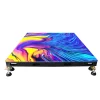
Before we get into the specifics of indoor vs. outdoor LED panels, let’s take a quick look at what makes LED floors so special. Essentially, an LED floor is a modular flooring system that uses Light Emitting Diodes (LEDs) to create dynamic, eye-catching visuals. These panels can display everything from simple color changes to full-motion graphics, making them perfect for both functional and decorative purposes. Typically used in settings where visual impact is key—such as stages, galleries, trade shows, and even retail spaces.
How LED Floors Work
LED floors are made up of several key components:
- LED Panels: These are the modules that contain thousands of tiny LEDs capable of producing different colors and light patterns.
- Wiring and Control System: The wiring connects the panels, while the control system allows the lights to be programmed for specific effects.
- Protective Coating: Some LED floors have a protective layer that shields the LEDs from physical damage.
The versatility of LED floors lies in their ability to change colors, patterns, and even respond to external triggers (such as motion or sound). This makes them ideal for creating immersive environments.
Key Differences Between Indoor and Outdoor Panels
Not all LED floors are created equal. There are key differences between indoor and outdoor LED panels that affect their functionality and durability.
Durability and Protection
Indoor Panels: These are designed for use in controlled environments where factors like temperature and humidity are stable. The panels are typically made from lightweight materials and are less resistant to external elements. They are often easier to install since the flooring doesn’t need to endure outdoor conditions.
Outdoor Panels: Built to withstand harsher conditions, outdoor LED panels are constructed with additional protection against moisture, dust, and temperature fluctuations. These panels often feature reinforced casings, UV-resistant coatings, and weatherproof seals to protect the LEDs and internal wiring from the elements.
Weather Resistance
Weatherproofing is perhaps the most crucial factor distinguishing indoor from outdoor LED floors. Outdoor LED panels are typically rated with an Ingress Protection (IP) rating. This rating determines how well the panel can resist water, dust, and other environmental factors.
Indoor: Generally, indoor panels don’t require a high IP rating because they are not exposed to rain or extreme weather.
Outdoor: These need to have a higher IP rating (usually IP65 or above) to ensure they can withstand exposure to rain, snow, and dust.
Using an indoor panel outdoors without proper weatherproofing can lead to electrical failures, water damage, or reduced performance.
Brightness and Visibility
Outdoor LED floors require higher brightness to remain visible in natural sunlight. When exposed to bright daylight, an indoor panel may appear dim or washed out, making it unsuitable for outdoor environments.
Indoor Panels: Typically designed for environments with controlled lighting (e.g., dim or artificial light). They usually have a lower brightness and higher color contrast than outdoor versions. Brightness range from 800 to 1,500 nits. This is plenty for a darkened studio or ballroom, but under direct sunlight, the screen will look completely washed out or black.
Outdoor Panels: These are specifically engineered to be much brighter. They need to compete with sunlight and offer clear visibility even during the day. Brightness typically range from 5,000 to over 7,500 nits. They use high-efficiency LEDs that can remain visible even in high-glare environments.
Size and Installation
The size and structure of the panels can also vary between indoor and outdoor models. Outdoor LED floors often come with reinforced frames and specialized connectors to ensure they remain secure under various conditions. The installation process for outdoor LED floors is usually more complex and requires additional weatherproofing considerations.
Indoor LED Floors: Generally lighter and easier to install, as the environment doesn’t require as much protection.
Outdoor LED Floors: These are built to endure harsher conditions and are often larger, heavier, and more durable. Installation may require additional steps such as securing the panels to the ground or ensuring proper drainage.

Can You Use the Same Panel for Both Indoor and Outdoor?
Given the differences mentioned above, the short answer is no, it’s usually a bad idea but it depends. While some hybrid LED panels are designed to work in both indoor and outdoor settings, there are limitations and risks involved if you use the wrong type for the wrong environment.
Compatibility Issues
Construction Differences: Indoor and outdoor panels differ in how they are built. Outdoor LED panels are designed with higher weather resistance, making them suitable for the outdoor environment. Indoor panels lack these features and may not hold up to exposure to rain, temperature extremes, or UV light.
Temperature and Humidity: Indoor LED panels are not built to handle the fluctuations in temperature and humidity that occur outdoors. Prolonged exposure could result in physical degradation or even electrical failure.
Advantages of Using the Same Panel
Convenience and Cost Savings: For certain applications (like events or temporary installations), you may find hybrid panels that are versatile enough for both indoor and outdoor use. These panels typically balance cost, durability, and brightness to suit both environments.
Technological Advancements: With advances in LED technology, some panels are designed to meet both indoor and outdoor needs. These panels feature weatherproof coatings and high brightness levels, making them versatile for various settings.
Limitations and Risks
Risk of Damage: Using indoor panels outdoors could result in water damage, lower brightness, or short-circuiting due to exposure to the elements.
Reduced Lifespan: Indoor LED panels may wear out much faster in outdoor settings due to factors like temperature extremes and UV exposure, reducing their overall lifespan.
The One Exception: “Semi-Outdoor”
There are hybrid panels designed for covered stages or storefront windows. These have the high brightness of an outdoor panel but lack the full waterproofing. If you are looking for versatility, these “High-Brightness Indoor” panels are your best bet—but you still can’t leave them in the rain!
Pro Tip: If you’re planning an event, always check the weight capacity. Both types are designed to be walked on, but outdoor floors often have reinforced chassis to handle heavier equipment like vehicles.

Choosing the Right Panel for Your Space
When selecting LED floor panels, you must carefully consider the environment where they’ll be installed.
Factors to Consider:
- Environment: Will your LED floors be exposed to outdoor conditions such as rain, temperature fluctuations, and direct sunlight?
- Use Case: Will the floor be used for high-traffic areas, or is it part of a temporary installation?
- 予算 Outdoor LED panels often cost more due to their added durability and weatherproofing.
Top Features to Look for:
IP Rating: Look for outdoor panels with a high IP rating (IP65 or higher) for reliable weather resistance.
Brightness: Ensure the panel offers sufficient brightness, especially if it will be exposed to daylight.
Weatherproofing: Check for additional protective features such as UV-resistant coatings and reinforced casings.
Final Thoughts
So, can you use the same panel for both indoor and outdoor LED floors? The answer ultimately comes down to the specific panel you choose. While it is possible to find hybrid LED panels that are designed for both environments, it’s generally recommended to choose specialized panels based on the demands of your space. Indoor LED panels may not be durable enough for outdoor use, and outdoor panels tend to be over-engineered for indoor settings, making them less cost-effective if you don’t need the extra durability.
By understanding the differences between indoor and outdoor LED floors, you can make a more informed decision and ensure your LED flooring solution meets both your aesthetic and functional needs.
If you’re not sure where to start, don’t worry—we’re here to help! Our team has extensive experience with both indoor and outdoor LED floor solutions. Reach out to us today, and let’s discuss your project. We can help you choose the perfect panels, install them, and ensure you get the most out of your investment.
Ready to take your space to the next level with LED floors? Contact us now, and let’s make it happen!